94% use LinkedIn: Guide to Marketing tool for social media
"AI alone is not a marketing strategy, but the tools we use to shape our message define how audiences engage with our brand."
This guide explores how to select the right marketing tool for social media, how to integrate professional platforms, and why human strategy must lead technical automation.
Key takeaways: 1. Utilize professional networks to reach specific business audiences. * Distinguish between automated tools and comprehensive marketing strategies. * Focus on empirical and methodological foundations for content creation.
How do you choose a marketing tool for social media?
At my cluttered desk during the late afternoon, I squint at the screen while comparing each potential tool for social media against my linkedin profile.
Choosing the right marketing tool for social media involves evaluating whether a platform supports your specific distribution needs or merely automates repetitive tasks.
Effective tools should align with your target demographic's behavior. For instance, if your goal is professional outreach, you must select tools that facilitate high-level networking rather than just visual scrolling.
Without a clear strategy, a tool is just software; with a strategy, it becomes an engine for engagement. It is important to remember that while automation helps, it cannot replace the core purpose of your message.
Why is LinkedIn important for B2B content?
In the quiet morning light, I tap my fingers against the desk as I scroll through linkedin to reach industry leaders.
A professional opens a laptop in a quiet office, scrolling through a feed of industry updates and white papers. Since 2017, 94% of business-to-business marketers have used LinkedIn to distribute their content.
This high adoption rate shows that professional networks are essential for reaching decision-makers. Using LinkedIn allows marketers to place their ideas directly in front of industry leaders.
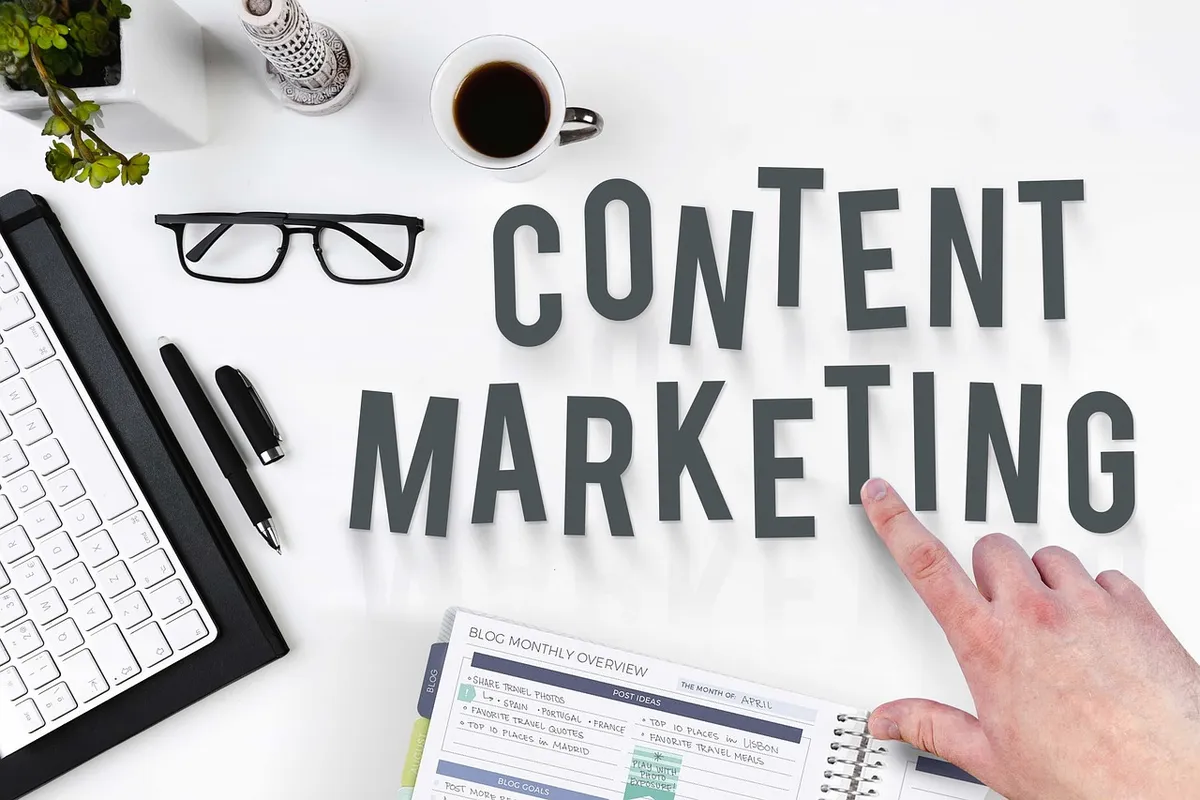
Because the platform is built for professional interaction, the content must be substantive to maintain credibility. This specific demographic relies on the platform's structure to share expertise and build professional authority.
What are social media content ideas for professional growth?
I grip my cold coffee mug in the quiet library and scribble new ideas on a notepad to post on linkedin.
A writer gathers notes on a notepad, looking for a way to turn complex data into readable posts. Generating social media content ideas requires a foundation of reliable information and clear communication.
To build a sustainable presence, follow these three steps: 1. Identify the core problem your audience faces and address it with practical insights. 2. Translate complex data into digestible formats like infographics or short articles. 3.
Verify the accuracy of your information to maintain professional trust.
After completing these steps, perform a final check to ensure the tone remains consistent with your brand identity. I have found that focusing on problem-solving rather than self-promotion leads to higher engagement.
How can you develop an effective content strategy?
A strategist maps out a timeline on a whiteboard, connecting different platforms to a single campaign goal. Developing an effective content strategy requires moving beyond simple automation to embrace deep analytical thinking.
The Academy of Marketing Science publishes the Journal of the Academy of Marketing Science (JAMS), which includes empirical, conceptual, and methodological articles. These academic resources provide the groundwork for understanding how audiences process information.
An effective content strategy uses these methodological insights to create content that is not just seen, but understood and acted upon. Relying solely on AI-generated text without this strategic depth often results in hollow engagement.
How do you manage SNS content planning?
A manager reviews a weekly schedule on a tablet, adjusting post times to match peak engagement periods. Managing SNS content planning involves balancing the timing of posts with the quality of the message.
The process of content creation guide development should focus on the following: 1. Set specific objectives for each piece of content to ensure it serves a purpose. 2. Tailor the format to the specific platform's strengths. 3. Monitor engagement metrics to refine future topics.
A final check against your original goals ensures you stay on track. If you focus too much on the technical side, you might lose the human connection that drives true influence.
What are the best marketing tool usage tips?
A designer adjusts the brightness on a tablet, fine-tuning a graphic to match a brand's color palette. Mastering the best marketing tool usage requires understanding that tools are supplements to, not replacements for, human creativity.
| Aspect | Manual Strategy | Automated Tool |
|---|---|---|
| Primary Focus | Human connection and nuance | Speed and repetitive tasks |
| Strategic Role | Core decision making | Execution and distribution |

I always compare my manual drafts with tool-generated suggestions to ensure nothing vital is lost. While tools can speed up the process, the strategy must originate from a human understanding of the market.
- Effective social media content requires a balance of strategic planning and technical execution.
- A marketer sits at a desk, staring at a glowing monitor filled with various dashboard options and content calendars.
- According to The Academy of Marketing Science, the Journal of the Academy of Marketing Science (JAMS) publishes empirical, conceptual, and methodological articles.
The same subject is also called SNS management tips.
The same subject is also called Marketing content ideas.
Related
- Guide: Time Management Tool 90% Performance Tips
- Auto meeting minutes guide: How to boost team collaboration
When is AI a marketing strategy? AI is a marketing strategy when the human input guides the technology toward a specific, well-defined outcome.
This occurs when the marketer uses the technology not as a replacement for thought, but as an amplifier for existing strategic intent. The AI serves the human goal, rather than setting the goal itself. Therefore, the technology becomes a servant to the overarching marketing plan.
If the human strategy is sound, the AI tool becomes a powerful execution engine, allowing for rapid iteration and broader reach than manual processes alone could achieve.
How does the quality of the human strategy affect the AI's role?
The AI tool functions as a powerful execution engine when the human strategy is robust. If the human input is weak, the AI simply amplifies a flawed premise, leading to widespread ineffectiveness. The technology itself holds no intrinsic marketing value without direction.
This dependency means that the marketer must provide the foundational conceptual framework. The AI assists in scaling that framework, allowing the message to reach wider audiences efficiently. The quality of the initial human thought dictates the ultimate success of the automated output.
Therefore, the AI alone presents no marketing strategy; it is merely a mirror reflecting the strength of the human plan. This comparison underscores that the technology is subservient to the initial human decision-making process.




Comments 0