Security: AI agent software deep code analysis guide
"The model is only one part of the equation; the scaffolding around it defines the agent."
Effective AI agent software security requires a shift from manual code audits to automated, high-velocity vulnerability management. This transition involves using advanced models to scan massive commit volumes, identifying critical flaws before they reach production.
Key takeaways include the importance of automated scanning for large-scale projects, the necessity of transparent development through foundations, and the ability of modern tools to provide auditable command logs for human oversight.
How does AI agent software security work in practice?
At midnight in the dim office, the developer rubs tired eyes while watching the terminal execute a security scan.

A developer sits at a workstation, watching a terminal window as an automated agent scans a massive repository of source code. According to the AI Security Institut, an AI agent was described as being formed by the model plus the scaffolding back in 2023.
The agent identifies a potential flaw in a library, much like how OpenAI tested its tool on 1.2 million commits over a 30-day period to identify nearly 800 critical vulnerabilities and more than 10,000 high-severity issues.
This scale of testing allows for the detection of flaws in complex projects like Chromium, OpenSSL, and PHP.
Effective AI agent software security relies on the interaction between the core model and its surrounding environment. According to the UK's AI Security Institute, an AI agent is formed by the model plus the scaffolding.
This structure allows the agent to execute tasks, such as scanning code or running tests, within a controlled environment. By integrating these tools into the development lifecycle, teams can automate the detection of security gaps.
The process of Codex security automation involves running complex scans that can take anywhere from 1 to 30 minutes. During these windows, the agent performs deep inspections of the code structure. This ensures that the security of the software is maintained even as the codebase grows rapidly.
- The AI agent monitors code commits and real-time execution environments to identify anomalies.
- It applies heuristic analysis and pattern matching to detect potential vulnerabilities within the logic flow.
- The system generates remediation suggestions and validates fixes through automated testing loops.
What are the benefits of automating vulnerability checks?
An engineer reviews a screen filled with logs, checking the results of a recent automated scan. The automated process identifies a bug, and the engineer verifies the fix using the provided logs.

This method of automating vulnerability checks provides a way to manage high-volume tasks without constant manual intervention.
The primary advantage lies in the speed and depth of the analysis provided by modern models.
This increased speed allows for more frequent scans without slowing down the development pipeline.
Furthermore, the transparency of the process ensures that human oversight remains possible. Codex returns command logs and test results so users can inspect what it has done.
This capability ensures that the agent's actions are not a "black box," allowing developers to understand exactly how a vulnerability was identified.
Automating these checks allows for continuous scanning throughout the development process, reducing the time between vulnerability introduction and detection. It also frees human developers to focus on complex architectural security rather than repetitive manual audits.
How can we manage a secure software lifecycle with AI?
A security officer monitors a dashboard showing the health of various open-source projects. The dashboard highlights newly discovered vulnerabilities, prompting an immediate response.
Managing a secure software lifecycle requires consistent, automated testing integrated directly into the deployment pipeline.
To implement these tools effectively, follow these steps:
- Integrate the agent into the version control system to enable continuous scanning of all new commits. 2. Configure the agent to generate detailed logs and test results for every task performed. ly 3. Establish a review protocol where human engineers inspect the agent's findings and command logs regularly.
A final check involves verifying that the agent's findings are actionable. For instance, the ability to reduce false positives is crucial for maintaining developer trust. In beta testing, it was noted that false positives were reduced by more than 50 percent.
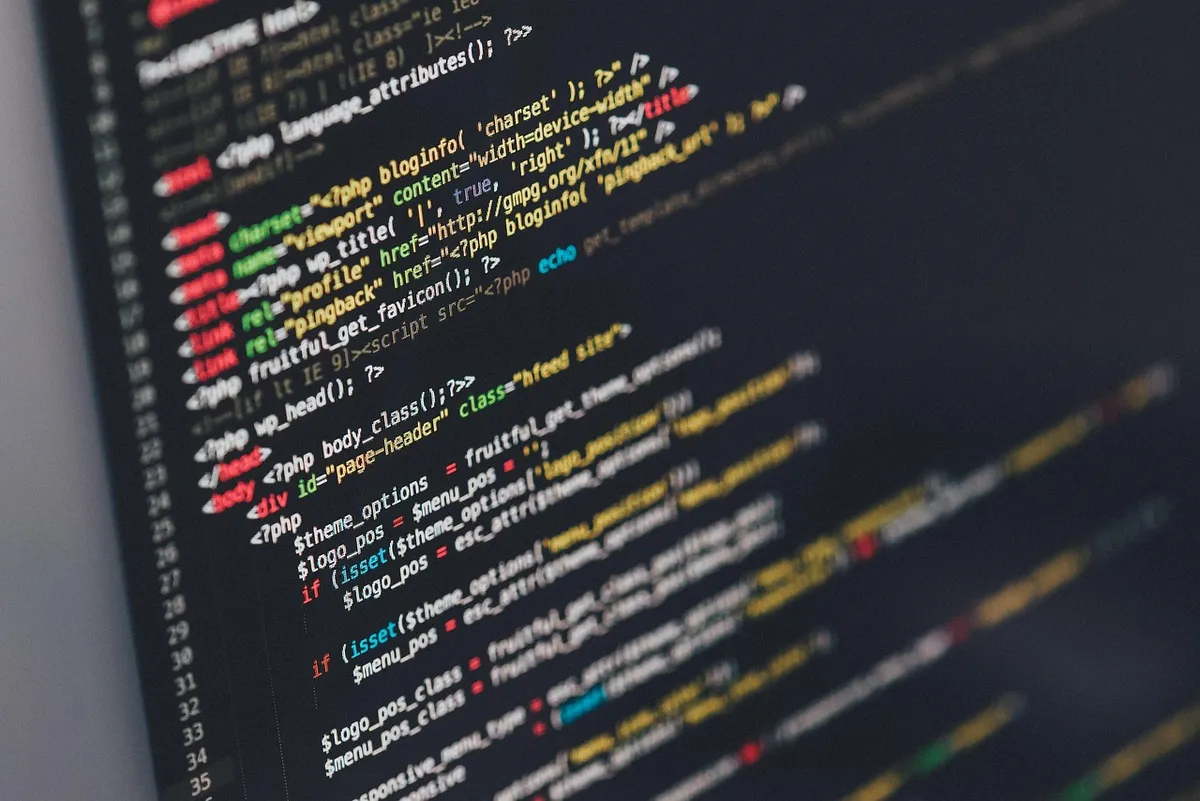
Integrating AI into the lifecycle involves embedding security checkpoints into the CI/CD pipeline. By automating static and dynamic analysis at every stage, teams can maintain a consistent security posture from initial coding to deployment.
Why is community collaboration important for AI in secure coding?
A group of developers meets online to discuss new standards for AI-driven development. They aim to create a shared framework that ensures all tools operate under the same security principles. This collaborative effort is essential for the long-term stability of the industry.
The goal of ensuring that agentic AI evolves transparently and collaboratively led to the formation of the Agentic AI Foundation (AAIF). Such organizations help set standards that prevent fragmented or insecure AI development.
When developers use AI in secure coding, they rely on these standards to ensure interoperability. Collaborative frameworks help prevent the introduction of unique vulnerabilities caused by proprietary or opaque agent behaviors.
Community collaboration ensures that diverse threat models and edge cases are accounted for in model training. Sharing insights on emerging vulnerabilities helps refine AI tools, making them more effective at recognizing novel attack vectors.
What are the limitations of AI-driven security?
A researcher looks at a list of CVE identifiers, noting how some vulnerabilities were caught by the AI. While the tool is powerful, the researcher knows that human expertise is still required to interpret complex edge cases.
A limitation remains that the effectiveness of these tools depends on the quality of the scaffolding and the data provided during testing.
The scale of the task is massive, but the tool is not infallible. While the tool identified thousands of issues in projects like GnuTLS and GOGS, it still requires human validation. It is important to remember that the agent is a tool to assist, not replace, the security professional.

The effectiveness of these tools is constrained by the scope of the initial testing. For instance, while the tool was tested on 1.2 million commits, it cannot account for every possible unique environment or edge case.
| Feature | Capability |
|---|---|
| Task Duration | 1 to 30 minutes |
| Vulnerability Detection | 10,000+ high-severity issues found in testing |
I compared the speed of the Spark model to earlier versions to understand how much more efficient these tasks have become.
AI-driven security can produce false positives that require manual verification and may struggle with highly customized or proprietary logic. Furthermore, AI tools can be susceptible to adversarial attacks designed to bypass their detection patterns.
Related







Comments 0