Transform Static PDFs into Editable Docs with Advanced Tools
"A PDF is not a dead end; it is a starting point for a conversation."
Stop treating your PDF files like digital paper that you can only look at. In a modern professional environment, a PDF should be a dynamic workspace where you collaborate, extract data, and finalize contracts in seconds rather than hours.
Key Takeaways * Move Beyond Viewing: Shift from passive reading to active engagement through high-precision annotation and markup. * Master Conversion: Learn how to turn static layouts into editable Word or Excel files without losing formatting.
* Automate Finalization: Use e-signatures and automated workflows to move from "draft" to "executed" instantly. * Treat Files as Assets: View the PDF as a living digital object that can be converted, secured, and integrated into other software.

Why Treat Your PDF Like a Living Document?
I remember sitting in a glass-walled conference room in downtown Chicago last Tuesday, staring at a printed 50-page contract. My colleague had circled three typos in red ink, and we were debating whether to print a new version or just scan the messy one back into the system.
That moment perfectly illustrated the friction of the "static" mindset.
The traditional view of a PDF is that it is a digital version of a printed sheet—fixed, unchangeable, and final. This mindset creates massive workflow bottlenecks.
When you treat a PDF as a dead end, you end up printing it to write on it, scanning it back in, and losing quality or metadata in the process. This cycle destroys version control and wastes time.
In a professional setting, a document is rarely "finished" until it is archived. It goes through cycles of review, correction, and approval. If you cannot edit, comment, or extract data directly from the file, you aren't working with a document; you are just looking at a picture of one.
To stay efficient, you must transition to a workflow where the PDF is a flexible, interactive layer of your business process.
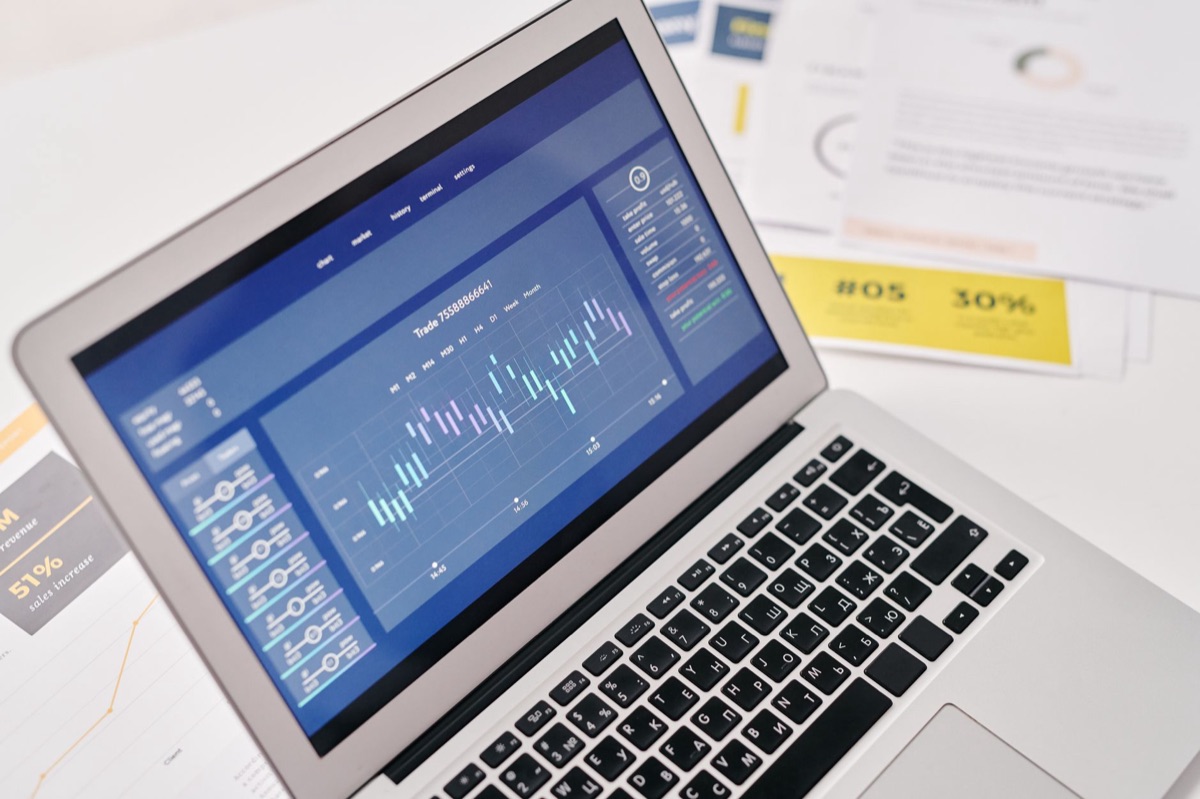
How can I annotate and review my PDFs? As the clock ticked toward evening in my home office, I gripped a stylus to trace over the glowing lines on my tablet.
The clock on the wall in my home office ticked toward 6:00 PM as I pulled up a complex architectural layout on my tablet. Instead of printing the blueprints, I used a stylus to layer comments directly over the vector lines, ensuring my feedback was tied to exact coordinates.
The "Read" phase of your work should actually be an engagement phase. High-precision markup allows you to provide feedback that is non-destructive. This means you can highlight text, add sticky notes, or draw diagrams without permanently altering the underlying content.
When reviewing a document with a team, you should distinguish between two types of interaction: 1. Sequential Commenting: Used during the initial drafting phase where you move through the document page by page to provide structured feedback. 2.
Parallel Review: Used when multiple stakeholders are looking at different sections simultaneously. In this mode, using "threaded comments" is vital so that discussions stay organized by specific text segments.
A common mistake is confusing form completion with document editing. Filling out a form is about inputting data into designated fields, whereas editing is about changing the structure of the document itself.
Professional PDF tools allow you to do both, but you must know when to use which to maintain the document's integrity.
How do I convert and extract data from my files? I once spent three hours trying to manually type out a complex pricing table from a scanned PDF into an Excel spreadsheet. The columns were slightly skewed, and the manual entry was a recipe for disaster.
That was the day I realized that "viewing" a PDF is not enough; you need to be able to manipulate its data.
The "Edit" phase often requires you to break the PDF out of its container. This is where conversion becomes a critical skill.
* Layout Fidelity: When converting a PDF to Word, the goal is to make the document look identical to the original while making the text editable. High-end tools can recognize columns, headers, and footers to prevent the text from becoming a jumbled mess. * Data Extraction: If you receive a PDF containing a table, you shouldn't re-type it. Using conversion tools to move PDF data to Excel preserves the cell structure, making it immediately usable for analysis. * OCR (Optical Character Recognition): This is the bridge between paper and digital. If you have a scanned document, OCR technology "reads" the image and turns it into searchable, selectable text. The workflow should always be: Scan → Run OCR → Review/Edit.
Treating a PDF as a digital asset means you can also extract embedded elements. For example, you can pull a high-resolution image or a vector graphic directly out of a PDF to use in a presentation, saving you from having to recreate the visual from scratch.
Securing Your Document: E-Signature and Workflow Automation
I sat at my desk, waiting for a digital signature to come through from a client in London. In the old days, I would have waited for a courier or a slow email attachment. Now, the moment they click "sign," the document is automatically filed in our secure cloud archive.
The "Finalize" phase is where the legal weight of a document lives. We have moved far beyond scanning a handwritten signature. Modern e-signature tools provide a legally binding digital fingerprint that is much more secure than a mere image of a signature.
To master this, you need to follow a structured workflow: 1. Review & Markup: Complete all annotations and edits. 2. Finalize & Sign: Apply the digital signature through a secure platform. 3.
Automated Archive: Ensure the signed document is automatically sent to a specific folder or sent to an accounting system.
Security is the final pillar. Just because a document is digital doesn't mean it is safe. You should use password protection for sensitive files and manage permissions strictly.
For example, you might give a vendor "View-Only" rights to a specification sheet, while giving an internal manager "Edit" rights. This prevents accidental changes and maintains the "single source of truth."
Choosing Your Digital Toolkit
Selecting the right tool depends entirely on your specific task. A heavy-duty editor is overkill for a quick note, but a basic reader is useless for a contract negotiation.
| Task Type | Recommended Feature | Key Goal |
|---|---|---|
| Legal/Contract Review | E-Signature & Audit Trails | Legal Validity |
| Data Entry/Analysis | OCR & Excel Conversion | Data Accuracy |
| Creative/Design Feedback | High-Precision Markup/Drawing | Visual Clarity |
| Document Distribution | Form Creation & Security | Controlled Access |
How to Choose Your Tool
- Identify the primary objective: Are you trying to change the content (Editor), move the data (Converter), or finalize the deal (Signer)? 2. Check for integration: Does the tool work with your existing ecosystem (e.g., Google Drive, Microsoft 365, or Slack)? 3. Evaluate the collaboration level: Do you need to work alone, or does the tool support real-time multi-user commenting?
A Note on Limitations It is important to remember that no conversion is perfect. Converting a highly complex, multi-layered graphic design PDF into Word will almost always result in some layout shifts. Always perform a manual quality check after any conversion.
Furthermore, while e-signatures are widely accepted, always verify local jurisdictional requirements for high-stakes legal documents.







Comments 0